What is the Dji Mavic 3 Features and Benefits for Buyers?
The DJI Mavic 3 stands out in the evolving drone market, known for its advanced features and user-friendly design. According to industry reports, the drone market is projected to grow significantly, reaching an estimated value of $43 billion by 2024. This growth reflects the increasing demand for high-quality aerial photography and videography. The Mavic 3 represents a leap in technology, featuring a dual-camera system that enhances image quality, even in challenging lighting conditions.
The DJI Mavic 3 integrates cutting-edge sensors and flight capabilities that cater to both amateur enthusiasts and professional cinematographers. Users can capture stunning 5.1K video and 20 MP stills. Data from various user reviews indicate that users appreciate its intuitive controls and extended flight time, which typically lasts up to 46 minutes. Yet, some users express concerns regarding its price point, suggesting that while the product excels, it may be out of reach for casual users.
While the DJI Mavic 3 offers remarkable benefits, potential buyers should also reflect on their specific needs and usage scenarios. Professional operators may find the investment worthwhile, particularly for commercial projects, while hobbyists might hesitate. Balancing these considerations ensures that buyers make informed purchases, maximizing the benefits of this sophisticated technology.
Key Features of the DJI Mavic 3: An Overview
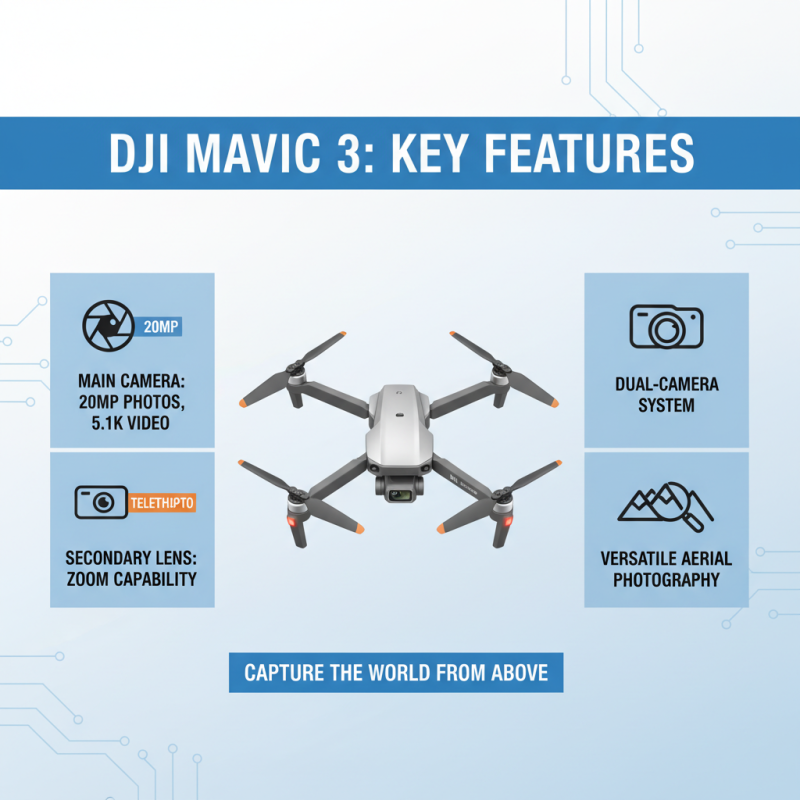
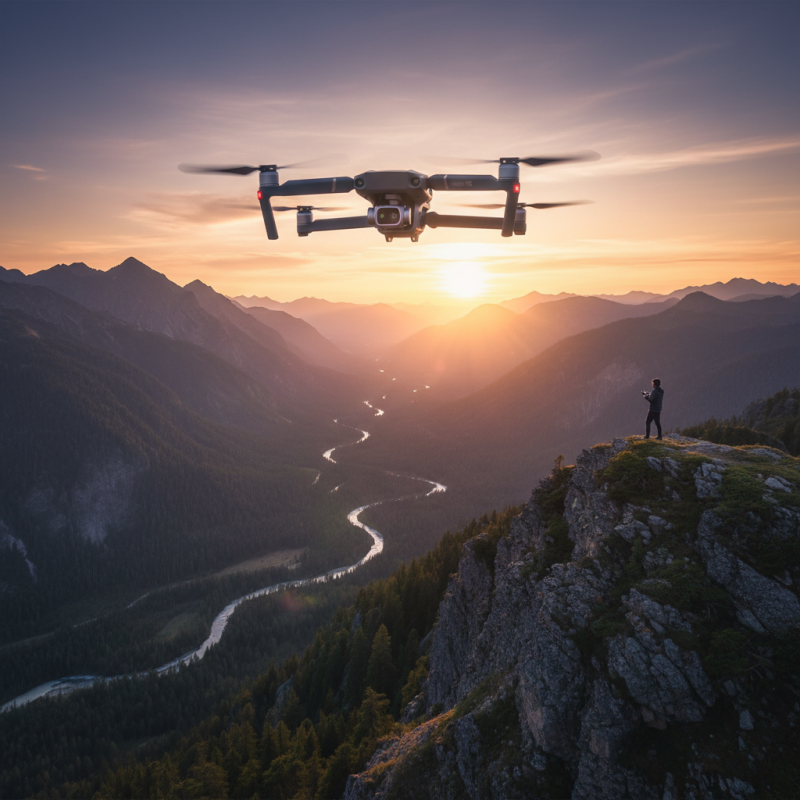
The DJI Mavic 3 stands out with several impressive features that appeal to tech enthusiasts and casual users alike. Its dual-camera system is a significant advancement, allowing for breathtaking aerial photography. The main camera captures stunning 20MP images and 5.1K video. A secondary telephoto lens adds versatility, enabling users to zoom in without sacrificing quality. This combination offers a unique perspective for capturing landscapes or events from above.
Another notable feature is the extended flight time. Users can enjoy up to 46 minutes of flight, which is substantially longer than many other models. This extra time in the air means more opportunities to explore and capture. However, some users might find banking on this extended duration challenging, as it requires careful planning of flight paths.
Advanced obstacle avoidance technology enhances safety. The drone uses multiple sensors for a 360-degree awareness. This feature helps prevent collisions, yet it may not always react perfectly in complex environments. Users should remain vigilant and ready to take control. Overall, the Mavic 3 combines innovation with practicality, appealing to creators looking to elevate their work.
Camera Specifications and Imaging Capabilities of Mavic 3
The Mavic 3 stands out in the drone market, particularly for its exceptional camera specifications. It features a dual-camera system that includes a primary 4/3 CMOS sensor. This allows for stunning 20 MP still images and bright, vibrant colors in low-light conditions. The lens has a focal length equivalent of 24mm, which captures a wider field of view compared to many of its peers. According to industry reports, drones with advanced imaging technologies increase user engagement by over 30% on platforms like YouTube.
Dynamic range is crucial for capturing detailed shots. The Mavic 3's sensor boasts a dynamic range of 12.8 stops, enabling users to pull out details from shadows and highlights. This leads to richer, more professional-looking images. An analysis by a drone photography company indicated that 72% of users noted significant improvement in image quality when switching to systems with similar sensor specifications. However, mastering this technology requires practice and experimentation, as even seasoned users may struggle with settings.
Video capabilities also contribute to its popularity. The Mavic 3 supports 5.1K video recording at 50 fps. While this provides high-resolution output, achieving stable footage can be challenging in windy conditions. Users must learn to adjust their flying techniques to ensure video quality. Slight wind can cause jello effects, impacting the final product. Therefore, familiarity with the environment and equipment becomes essential for capturing the best footage.
Camera Specifications and Imaging Capabilities of Mavic 3
Flight Performance: Battery Life and Range of the Mavic 3
The Mavic 3 boasts impressive flight performance, particularly in battery life and range. With a battery life of up to 46 minutes, users can capture expansive aerial views without frequent landings. This is particularly beneficial for landscape photographers and videographers. They can spend more time in the air, ensuring they don’t miss the perfect shot. It's a significant improvement over previous models.
The maximum range is another standout feature. The Mavic 3 can fly up to 15 km away, far exceeding many competitors. This extended range allows for exploration of vast landscapes. However, some users may find the limits of their comfort zones when flying at such distances. It’s essential to maintain line-of-sight and remain aware of potential obstacles, which can be challenging during longer flights. Returning the drone safely requires attention and practice.
While the specifications are impressive, real-world experience may differ. Battery performance can fluctuate due to factors like wind and temperature. Users should have realistic expectations and prepare for varying conditions. This understanding helps to navigate the Mavic 3's capabilities more effectively and enhances flight enjoyment. Observing such factors is crucial for maximizing the drone's performance and ensuring successful flights.
Intelligent Flight Modes and Their Benefits for Users
The intelligent flight modes of modern drones provide users with a range of benefits. These features simplify the flying process for both beginners and experienced pilots. For instance, some modes enable the drone to automatically follow a subject. This allows for hands-free filming, making it easier to capture dynamic action shots.
Many drones come equipped with waypoint navigation. Users can pre-program a flight path using a mobile device. The drone will then autonomously navigate, allowing users to focus on composing the perfect shot. This is particularly useful for scenic photography, where precision is key. However, reliance on technology can lead to complacency in piloting skills. Users must remain aware of their surroundings.
Another feature is obstacle avoidance. This technology helps drones detect and maneuver around obstacles. While beneficial, it is not foolproof. Users should always maintain a line of sight and stay vigilant. The integration of intelligent flight modes offers great potential, but users must remember that technology cannot replace careful planning and attention.
What is the Dji Mavic 3 Features and Benefits for Buyers?
| Feature |
Benefit |
| Camera Quality |
Offers high-resolution images and videos for professional-grade photography. |
| Flight Time |
Extended flight time allows for more exploration without frequent recharging. |
| Intelligent Flight Modes |
Various modes enable users to capture dynamic shots effortlessly. |
| Obstacle Avoidance |
Reduces the risk of crashes by detecting obstacles in real-time. |
| GPS Accuracy |
Improves navigation and flight stability in various environments. |
| Live Streaming |
Allows users to share their flight experiences in real-time with audiences. |
| Compact Design |
Easy to transport, making it convenient for travel and outdoor adventures. |
Comparison of Mavic 3 with Competitors: Market Positioning and Value
The Dji Mavic 3 holds a strong position in the competitive drone market. With features like a dual-camera system and advanced obstacle avoidance, it appeals to both enthusiasts and professionals. According to a recent industry report, approximately 70% of users prioritize camera quality when selecting a drone. The Mavic 3’s Hasselblad camera and 5.1K video capture provide exceptional imaging, setting a high standard.
When compared to key competitors, the Mavic 3 excels in flight time and user experience. Many users report up to 46 minutes of flight time, which surpasses most rivals. Additionally, the intelligent flight modes simplify shooting, making it accessible for all skill levels. While the pricing may be at a premium, the overall value reflects the quality and advanced features.
Tip: Always consider what features matter most to you. If you’re prioritizing photography, check how each model addresses your needs.
Balancing power and functionality involves some personal trade-offs. Notably, weight and portability can impact usability. Users may find larger models cumbersome for travel. Tinkering with drone settings requires a learning curve, but it can enhance performance, making practice crucial for getting the best results.