How to Choose the Best Drone and Camera for Your Photography Needs
Choosing the best drone and camera for your photography needs can be a daunting task, especially with the rapid advancements in technology and the plethora of options available on the market today. In recent years, drones have revolutionized the way we capture images and videos, allowing photographers to achieve stunning aerial perspectives that were once limited to the realms of imagination or expensive helicopter rides. A comprehensive understanding of the functionalities, specifications, and features of both drones and cameras is essential for anyone looking to elevate their photography skills.
When selecting a drone and camera setup, it’s crucial to consider several key factors such as image quality, portability, flight time, and ease of use. Each of these elements plays a significant role in not only the quality of your photographs and videos but also your overall experience as a photographer. Whether you are a hobbyist seeking to capture breathtaking landscapes or a professional aiming to enhance your portfolio, the right combination of drone and camera can make all the difference in your creative journey. By exploring various options with an informed perspective, you can make a choice that aligns perfectly with your artistic vision and practical requirements.
Understanding Different Types of Drones for Photography
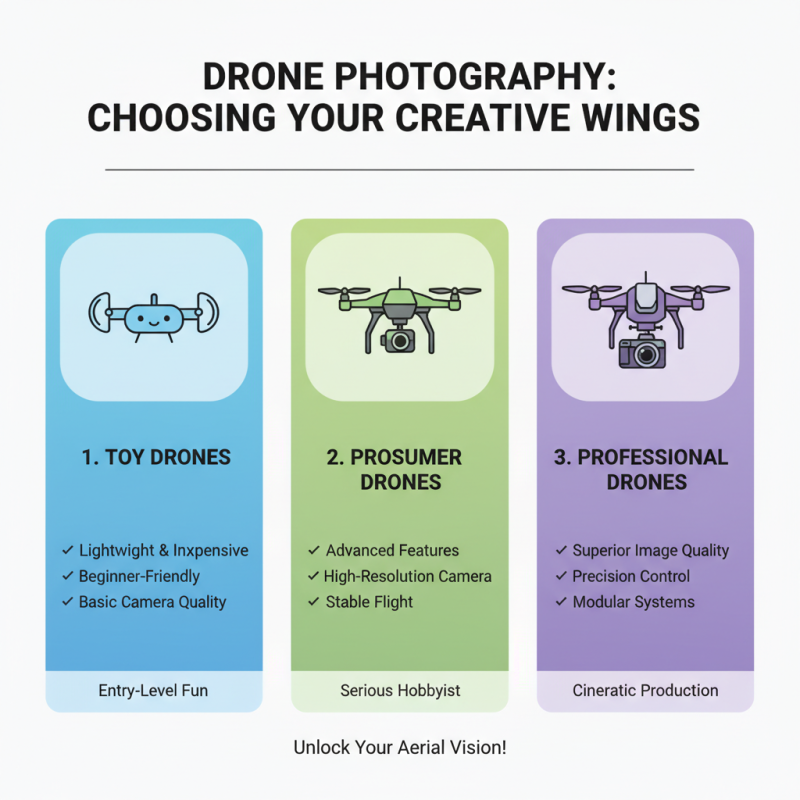
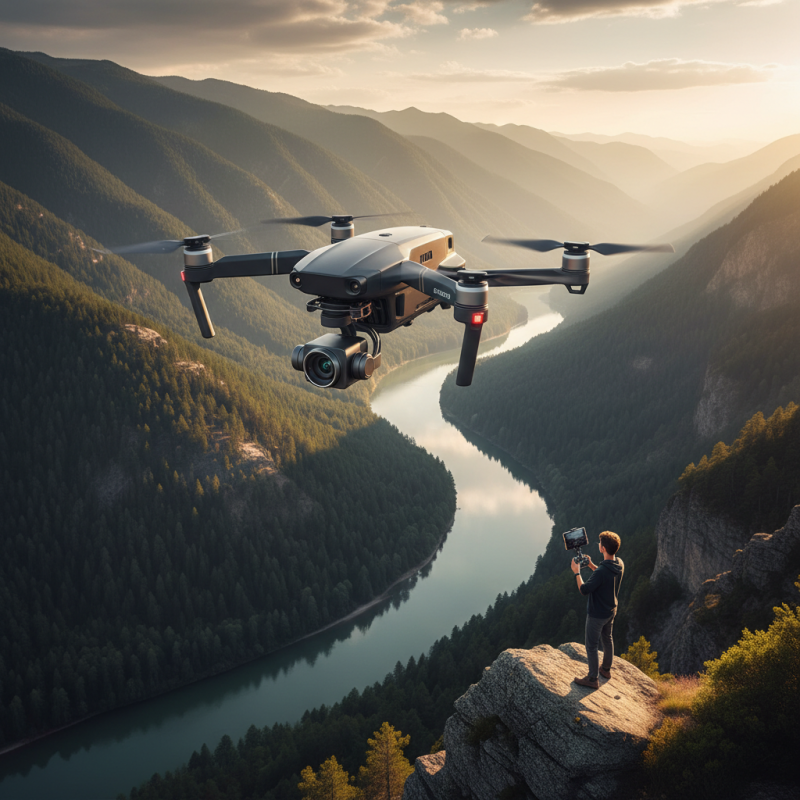
When it comes to photography, selecting the right drone can significantly enhance your creative possibilities. Understanding the different types of drones available is crucial for making an informed choice. Generally, drones for photography can be categorized into three types: toy drones, prosumer drones, and professional drones. Toy drones are typically lightweight and inexpensive, making them ideal for beginners or casual photographers who wish to experiment with aerial shots without a hefty investment. However, they often lack advanced features and camera quality.
Prosumer drones strike a balance between affordability and functionality. Equipped with better cameras and more advanced flight features, they cater to hobbyists and semi-professionals looking for higher-quality imagery. These drones often include stabilizers like gimbals, which ensure smoother footage. If you're serious about drone photography, consider investing in a prosumer model that fulfills your photography needs without breaking the bank.
For those looking to capture stunning visuals with maximum control, professional drones are the way to go. With high-resolution cameras, advanced flight controls, and the capability to carry additional lenses or attachments, these drones are favored by seasoned photographers. While they come at a higher price point, the quality of images and the features provided can be well worth the investment.
Tips:
- Assess your skill level before choosing a drone; starting with a toy drone can help you gain confidence.
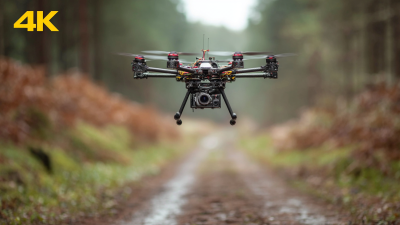
- Consider the camera specifications; look for drones with at least 4K video capabilities for stunning results.
- Always check the flight time and range features to ensure they meet your shooting requirements.
Evaluating Camera Specifications and Features for Aerial Photography
When selecting a drone for aerial photography, the camera specifications and features play a pivotal role. A critical aspect to consider is the sensor size, as larger sensors typically capture more light, yielding better image quality, particularly in low-light conditions. According to a report from the Federal Aviation Administration, drones equipped with cameras that possess a minimum 1-inch sensor can produce high-resolution images suitable for professional use. This is vital for photographers aiming to create stunning landscape shots or detailed environmental captures.
In addition to sensor size, resolution is another paramount feature. Drones with cameras offering at least 20 megapixels can deliver images that hold up well during post-editing, particularly when cropping is needed. A recent study by the Drone Photographers Association found that a significant majority of professional drone pilots prefer cameras capable of filming in 4K resolution or higher, as it ensures sharper videos and provides more options for editing in post-production. Features like optical zoom and stabilized gimbals also enhance the usability of drones for photographers, offering them the ability to shoot in dynamic environments without compromising image quality. Robust battery life and reliable flight time are additional factors that enable photographers to maximize their shooting time in the air.
Determining Your Budget for Drones and Cameras
When embarking on the journey of choosing a drone and camera for photography, establishing a budget is a crucial first step. The range of options available can be overwhelming, so it’s essential to define how much you are willing to invest before exploring specific features or brands. Consider not only the initial cost of the equipment but also potential ongoing expenses, such as accessories, maintenance, and insurance. Setting a clear budget allows you to make informed decisions and prevents overspending on features that may not align with your actual needs.
Additionally, understanding your photography goals will influence your budget allocation. For example, if your aim is to capture high-resolution landscapes or dynamic aerial shots, investing in a higher-quality camera and drone may be worth the extra cost. Conversely, if you’re starting and plan to practice or experiment, a mid-range option might be sufficient. Assessing your long-term plans can help you prioritize which features are most important, enabling you to choose a setup that supports both your current skills and future aspirations without breaking the bank.
Drone and Camera Budget Allocation for Photography
This chart shows the recommended budget allocation for purchasing drones and cameras based on photography needs. It divides the overall budget into four categories: Drones, Cameras, Accessories, and Software.
Matching Drone Capabilities with Your Photography Goals
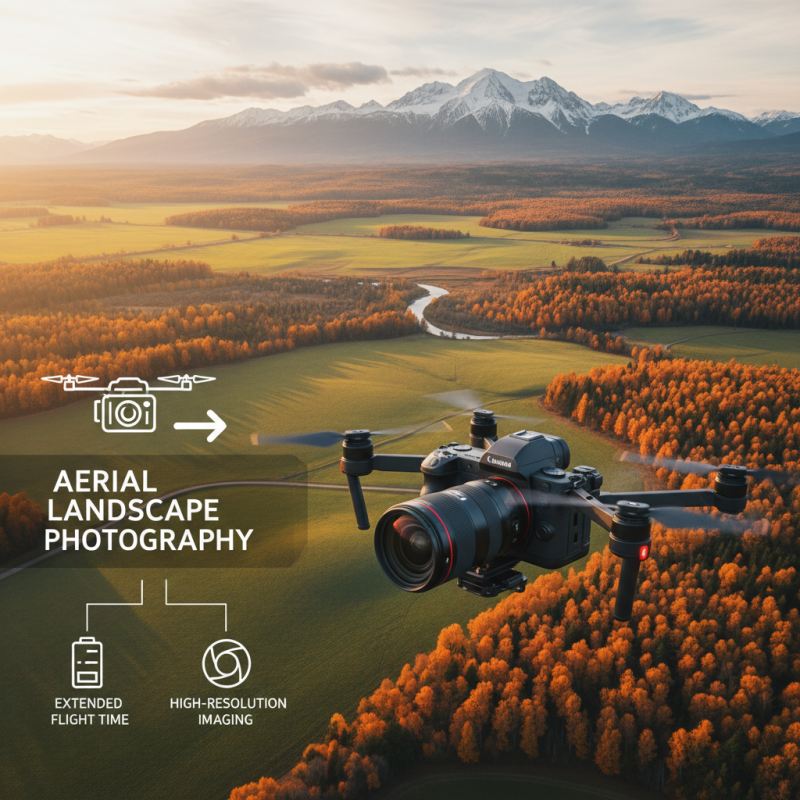
When choosing a drone and camera for your photography needs, it’s essential to align the capabilities of your equipment with your specific photography goals. According to a report by the Drone Industry Insights, the commercial drone market is expected to grow to USD 43 billion by 2024, highlighting the increasing demand for specialized features that cater to various photography styles, from aerial landscapes to real estate photography. For instance, if your focus is on capturing vast landscapes, a drone with extended flight time and high-resolution camera capabilities will ensure that you can cover more ground while maintaining image quality.
Additionally, understanding the different types of cameras compatible with drones is crucial. Research indicates that drones equipped with 4K recording capabilities can significantly enhance the quality of your visual content, making it attractive for both personal projects and professional services. If your goal is to produce outstanding video footage, look for drones offering gimbal stabilization, which is essential for minimizing shakes during flight. Furthermore, understanding the advantages of features such as obstacle avoidance and intelligent flight modes can greatly influence the ease with which you capture your desired shots, ensuring that you can focus more on composition rather than operational complexities.
Safety and Legal Considerations for Drone Photography
When entering the world of drone photography, safety and legal considerations are paramount. First and foremost, it's essential to be aware of the regulations set forth by aviation authorities in your region. Many countries require drone operators to register their drones and obtain specific licenses or permits depending on the weight of the drone and its intended use. Understanding these requirements not only ensures compliance but also promotes safe flying practices that protect both the operator and the public.
Moreover, drone pilots must prioritize safety during their flights. This includes conducting pre-flight checks to ensure the drone is functioning correctly and being mindful of the surrounding environment. Avoiding crowded areas, respecting privacy rights, and maintaining line-of-sight with the drone are crucial practices to avoid accidents and legal issues. Additionally, staying informed about no-fly zones, such as near airports or government buildings, is essential to ensure responsible operation and maintain a positive relationship with the community and authorities.
How to Choose the Best Drone and Camera for Your Photography Needs - Safety and Legal Considerations for Drone Photography
| Feature |
Recommended Value |
Importance Level |
Legal Considerations |
| Camera Quality |
4K resolution or higher |
High |
Check local regulations regarding camera use |
| Flight Time |
25 minutes or more |
Medium |
Adhere to maximum flight time limits |
| Range |
3 miles or more |
High |
Ensure you can maintain visual line of sight |
| Obstacle Avoidance |
Yes |
High |
Follow guidelines for safe navigation |
| Weight |
Under 2 kg |
Medium |
Check registration requirements based on weight |
| Battery Type |
LiPo |
Medium |
Follow proper charging and storage procedures |