2025 Top UAV with Camera Trends Insights Data and Market Projections
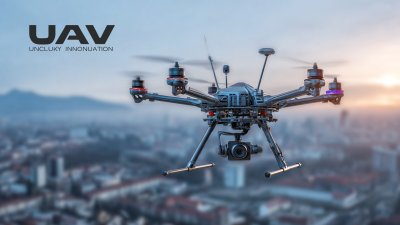
As we move towards 2025, the market for UAVs with cameras is set to witness unprecedented growth driven by advancements in technology and increasing applications across various sectors. The integration of sophisticated imaging capabilities in UAVs has revolutionized industries such as agriculture, real estate, and surveillance, enabling users to capture high-resolution images and videos from unique perspectives. This article aims to explore the emerging trends, insights, and market projections surrounding UAVs with cameras, providing a comprehensive overview of how these advancements are shaping the future of aerial photography and videography.
The ongoing innovations in camera technology, along with enhancements in UAV design, are leading to more versatile and efficient tools for professionals and enthusiasts alike. As drones continue to evolve, their ability to deliver real-time data, improve safety in operations, and reduce costs is becoming increasingly crucial. This not only broadens their usability in commercial sectors but also opens new opportunities for creative applications. Our analysis will delve into the top trends influencing the UAV with camera landscape, highlighting key players and projected growth metrics that showcase the potential of this dynamic market in the coming years.
Emerging Technologies in UAV Cameras: Future Innovations
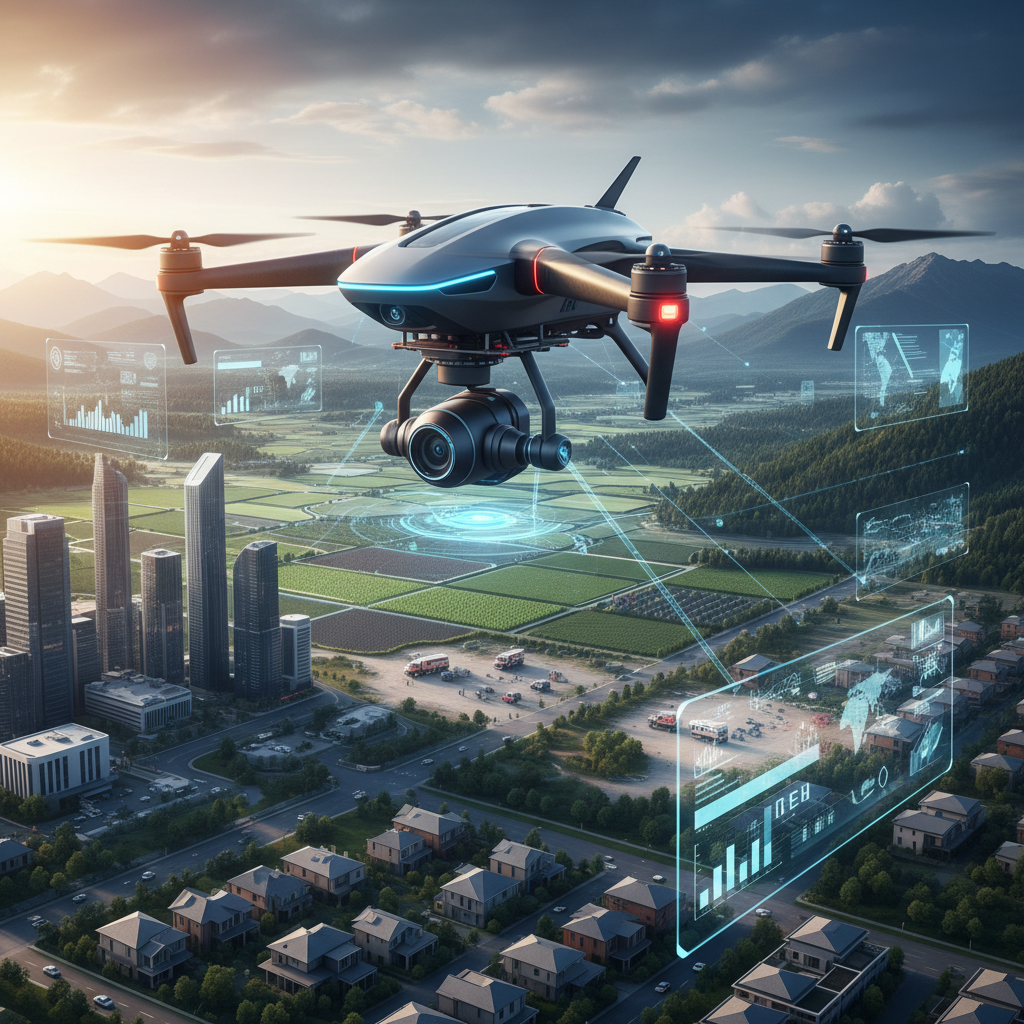
The UAV camera market is poised for significant evolution, driven by emerging technologies that promise to enhance imaging capabilities and operational efficiency. As highlighted in recent industry reports, the global market for UAV cameras is projected to reach $12 billion by 2025, growing at a CAGR of 16% from 2022. This rapid growth is underpinned by advancements in sensor technology, with high-resolution sensors now capable of capturing images up to 100 megapixels. Innovations in thermal imaging and multispectral cameras are also entering the market, providing critical data for industries such as agriculture, infrastructure inspection, and disaster management.
Moreover, the integration of AI and machine learning in UAV camera systems is transforming how data is processed and analyzed. According to a report from MarketsandMarkets, the implementation of AI in drone applications is expected to boost productivity by 35% in the next few years. By automating image analysis and enabling real-time data interpretation, companies can make informed decisions faster, which is crucial in time-sensitive scenarios. The future of UAV cameras will not only focus on improving image quality but also on enhancing the overall user experience through smart features and robust analytics, paving the way for more widespread adoption of UAV technology across various sectors.
Key Market Players in the UAV Camera Industry and Their Strategies
The UAV camera industry is experiencing significant growth driven by the increasing demand for aerial photography and surveillance applications. Key players in this market are adopting various strategies to enhance their competitive edge. Some are focusing on technological innovations, such as improving camera resolution and integrating advanced imaging technologies, which are critical for sectors like agriculture, security, and environmental monitoring.
Moreover, collaboration with software companies is becoming a common strategy, enabling manufacturers to provide comprehensive solutions that include data analysis and cloud services. This not only enriches the user experience but also enhances the utility of UAVs in commercial applications. Additionally, companies are expanding their product lines and entering partnerships to cater to emerging markets, ensuring they remain at the forefront of industry developments while addressing diverse customer needs.
2025 Top UAV with Camera Market Insights
Consumer Trends Driving Demand for Advanced UAV Cameras in 2025
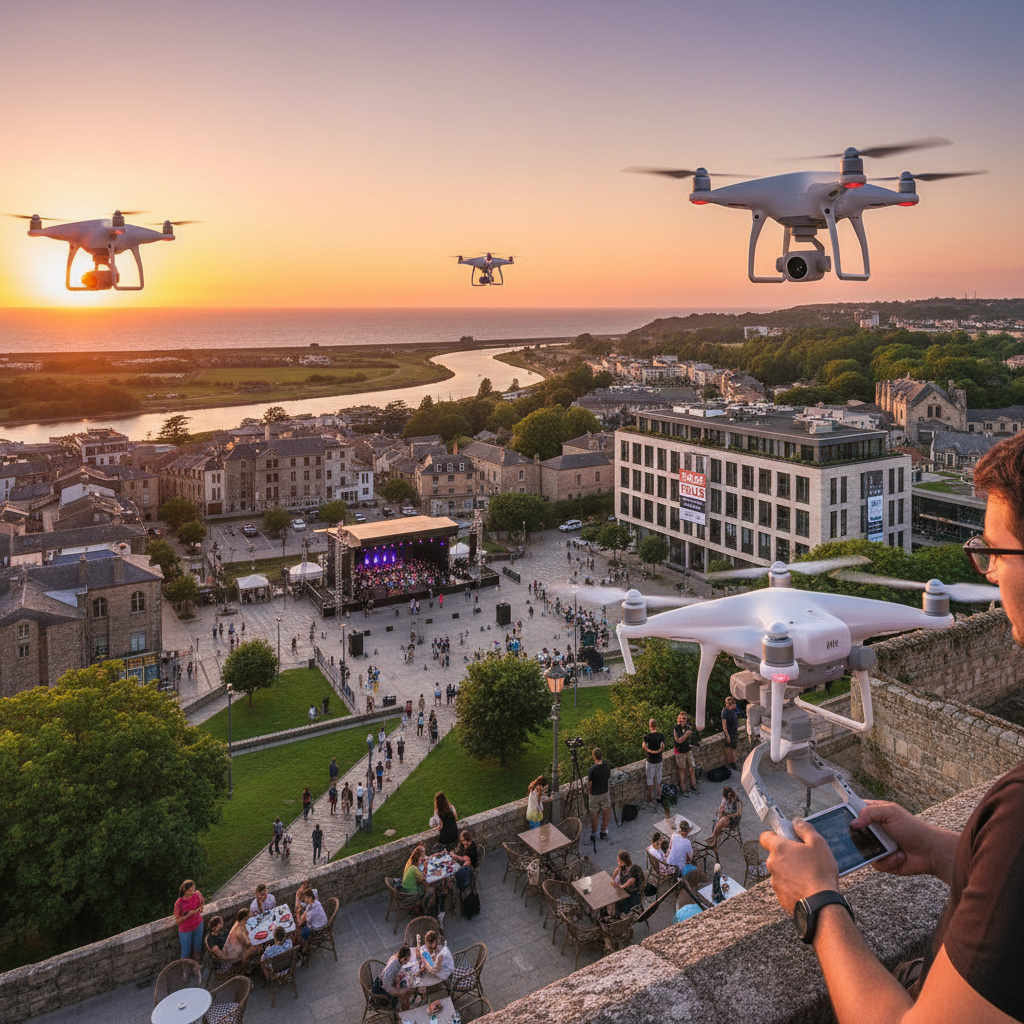
As we move towards 2025, consumer trends are significantly influencing the demand for advanced UAV cameras. The proliferation of aerial photography on social media platforms and the increasing popularity of drone usage for personal and commercial projects drive enthusiasts and professionals alike to seek high-quality imaging solutions.
Consumers are looking for functionalities that not only cater to recreational use but also support applications such as real estate marketing, event photography, and landscape documentation.
Moreover, advancements in technology have led to a surge in consumer expectations. Features like 4K video recording, enhanced stabilization systems, and intelligent flight modes are becoming standard, pushing manufacturers to innovate continuously. Additionally, the rising awareness of UAV capabilities in sectors like agriculture and environmental monitoring has increased demand for specialized cameras that can capture detailed imagery for analysis. This shift showcases a growing consumer base that values both versatility and quality in UAV camera technology, signaling a transformative period for the industry in the coming years.
Impact of Regulatory Changes on UAV Camera Market Dynamics
The UAV camera market is currently navigating a complex landscape shaped by evolving regulatory changes. These regulations impact not only the types of UAVs that can be operated but also the frameworks governing their usage in various industries, such as agriculture, surveillance, and media. Understanding these dynamics is crucial for manufacturers and consumers alike, as compliance with regulations often dictates the design features and functionalities that UAV cameras must possess. For instance, new safety standards may require enhanced imaging technologies or obstacle avoidance systems, driving innovation in the sector.
Tips: When considering investing in UAV technology, it's essential to stay abreast of local regulations, which may vary significantly by region. Regularly check with aviation authorities to ensure compliance and avoid potential fines. Furthermore, engaging with industry experts and joining forums can provide valuable insights into forthcoming regulatory trends that may influence your investment decisions.
The ongoing shift toward stricter regulations might also lead to increased partnerships between UAV manufacturers and regulatory bodies. Such collaborations can foster a more robust understanding of compliance requirements and accelerate the path to market for new UAV technologies. Companies that proactively adapt to these changes and incorporate regulatory insights into their product development strategies will likely gain a competitive edge in the rapidly evolving UAV camera market.
Forecasting Market Growth: Revenue Projections for UAV Cameras by 2025
The market for UAV cameras is experiencing significant growth, with projections indicating a robust increase in demand. According to a recent study by Custom Market Insights, the global aircraft cameras market is expected to escalate from approximately USD 29.5 million in 2025 to around USD 83.0 million by 2035. This impressive growth trajectory reflects a compound annual growth rate (CAGR) of 10.9%, signaling a thriving industry as more sectors recognize the value of drones equipped with advanced imaging technologies.
The surge in UAV camera utilization can be attributed to diverse applications, ranging from agriculture to surveillance and environmental monitoring. As industries seek innovative solutions to enhance operational efficiency, the adoption of drone technology equipped with high-quality cameras becomes increasingly appealing. This trend not only showcases technological advancements but also highlights an expanding market that caters to various consumer needs, paving the way for new opportunities in the UAV sector through 2025 and beyond.